Admission Open For All Colleges, For Details Please Contact Helpline No: +91 9614910910
An ISO 9001:2015 Certfied Company
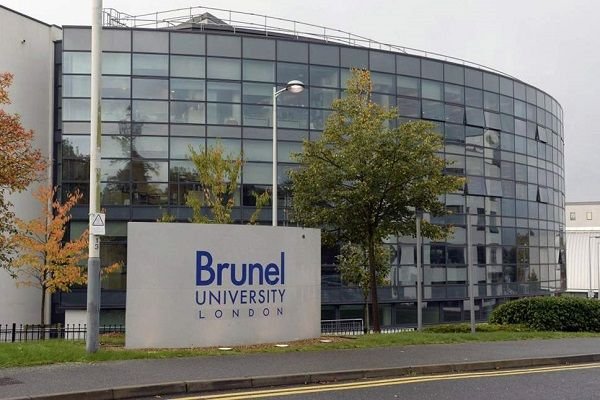
Situated in the vibrant heart of West London, Brunel University stands as a beacon of academic excellence, innovation, and global connectivity. Renowned for its world-class teaching, groundbreaking research, and strong industry links, Brunel offers students a transformative educational experience that prepares them for success in an ever-evolving world.
Named after the visionary engineer Isambard Kingdom Brunel, the university embodies his spirit of creativity and forward-thinking. With a diverse community of students and staff from over 150 countries, Brunel fosters a dynamic and inclusive environment where ideas flourish and ambitions are realized.
Brunel’s commitment to practical learning is reflected in its unique approach to education, blending rigorous academics with real-world experience. From modern facilities to industry placements and global opportunities, students are equipped with the skills and knowledge to thrive in their chosen fields.
Whether you’re drawn to its strong reputation in engineering, business, health sciences, or the arts, Brunel University offers a supportive and inspiring environment to help you achieve your goals. Join a community that empowers you to think boldly, act confidently, and make a lasting impact on the world.
Explore Brunel University – where innovation meets opportunity, and your future begins.
1. Research and Choose a College
Identify colleges or universities that offer programs aligned with your academic and career goals.
Check the institution's reputation, rankings, location, tuition fees, and available scholarships for international students.
Ensure the college is accredited and recognized in your home country.
2. Check Admission Requirements
Academic Qualifications: Verify if your previous education (e.g., high school diploma, bachelor’s degree) meets the college's requirements.
Language Proficiency: Most colleges require proof of English proficiency through tests like TOEFL, IELTS, or equivalent (for non-native English speakers).
Standardized Tests: Some programs may require SAT, ACT, GRE, GMAT, or other entrance exams.
Additional Requirements: Certain programs may require portfolios, essays, letters of recommendation, or interviews.
3. Prepare Application Documents
Common documents required for international students include:
Completed application form (online or paper-based).
Academic transcripts and certificates (translated into the required language if necessary).
Proof of language proficiency (TOEFL, IELTS, etc.).
Standardized test scores (if applicable).
Statement of Purpose (SOP) or personal essay.
Letters of recommendation (usually 2-3).
Resume or CV (for graduate programs).
Passport copy.
Financial documents proving you can cover tuition and living expenses (e.g., bank statements, sponsorship letters).
Portfolio or audition (for arts, design, or performance programs).
4. Submit Your Application
Apply through the college’s official website or a centralized application portal (e.g., Common App, UCAS, etc.).
Pay the application fee (if applicable).
Ensure all documents are submitted before the deadline.
5. Await Admission Decision
After submitting your application, wait for the college to review it.
Some colleges may invite you for an interview or additional tests.
6. Receive Offer Letter
If accepted, you will receive an offer letter (conditional or unconditional).
A conditional offer may require you to meet specific requirements (e.g., completing your current studies, achieving a certain GPA, or submitting additional documents).
7. Apply for a Student Visa
Once you accept the offer, apply for a student visa in the country where the college is located.
Common visa requirements include:
Offer letter from the college.
Proof of financial support.
Passport-sized photos.
Visa application fee.
Health insurance and medical tests (if required).
Attend a visa interview if necessary.
8. Prepare for Arrival
Arrange accommodation (on-campus or off-campus).
Book flights and plan your travel.
Attend orientation programs for international students.
Familiarize yourself with the country’s culture, climate, and local laws.
9. Enroll and Begin Classes
Complete enrollment procedures upon arrival.
Pay tuition fees and register for courses.
Obtain a student ID and other necessary documents.!
1. Career Support
Colleges offer career counseling, resume help, interview prep, and job portals.
Attend career fairs and networking events.
2. Internships
Many programs include internships for hands-on experience.
Internships often lead to full-time job offers.
3. Placement Stats
Research the college’s placement rates, average salaries, and top recruiters.
4. Top Recruiters
Companies like Google, Deloitte, Tesla, and Johnson & Johnson often hire graduates.
5. Work Visas
Check post-study work visa options (e.g., OPT in the USA, PGWP in Canada).
6. Networking
Use alumni networks and join professional organizations.
7. Skill Development
Gain in-demand skills and certifications.
8. Job Search
Start early, use LinkedIn, and tailor applications.
9. Returning Home
Research job opportunities in your home country if planning to return.
1. Academic Facilities
Libraries: Access to books, journals, e-resources, and study spaces.
Labs: Well-equipped labs for science, engineering, and computer students.
Research Centers: Opportunities for research and innovation.
Classrooms: Modern, tech-enabled classrooms and lecture halls.
2. Student Support Services
Career Services: Help with internships, job placements, and resume building.
Counseling: Mental health and academic counseling.
International Student Office: Support for visas, housing, and cultural adjustment.
Tutoring: Academic support and study groups.
3. Accommodation
On-campus housing (dormitories, apartments).
Off-campus housing assistance.
Meal plans and dining halls.
4. Recreational Facilities
Sports Complex: Gyms, swimming pools, courts, and fields.
Clubs and Societies: Student-run clubs for hobbies, culture, and academics.
Arts and Culture: Theaters, music rooms, and art studios.
Eligibility Criteria:
Undergraduate (UG) Programs:
Academic Requirements:
Minimum 65% to 85% in qualifying exams, depending on the course applied for.
Specific requirements may vary by program.
English Language Requirements:
IELTS: 6.0 to 7.0 overall, depending on the course.
IELTS Waiver:
70% or above in English in CBSE, ICSE, Maharashtra Board, or West Bengal Board for IELTS 6.0 or 6.5 requirement.
80% or above in English in CBSE, ICSE, Maharashtra Board, or West Bengal Board for IELTS 7.0 or 7.5 requirement.
Postgraduate (PG) Programs:
Academic Requirements:
55% to 70% in a bachelor's degree from a recognized institution.
Specific requirements may vary by program.
English Language Requirements:
IELTS: 6.0 to 7.0 overall, depending on the course.
IELTS Waiver:
70% or above in English in CBSE, ICSE, Maharashtra Board, or West Bengal Board for IELTS 6.0 or 6.5 requirement.
80% or above in English in CBSE, ICSE, Maharashtra Board, or West Bengal Board for IELTS 7.0 or 7.5 requirement.
Additional Information:
Intake: January and September only.
University Ranking: Top 20 in the UK for research.
Location: Uxbridge area of London.
Applicants should check specific course requirements as they may vary.